
Business Expenses
5 Ways to Protect your Business from Employee Expense Fraud
Learn what business expense fraud is, how to identify it, and the top 5 ways employers can prevent business expense fraud from occurring in their own company.
(This article was last updated on 11 November 2024.)
According to a 2024 survey, nearly 24% of employees admitted to claiming personal purchases as business expenses.
Expense reimbursement fraud is more common than you might think, quietly draining resources and eroding trust within teams.
Detecting and addressing it isn’t always straightforward, but if left unchecked, it can lead to significant financial losses and a culture of dishonesty.
In this guide, we’ll show you how to spot the warning signs, handle sensitive conversations with employees, and protect your business from future fraud.
Expense reimbursement fraud happens when an employee intentionally submits false expense claims to gain extra money.
 According to the Association of Certified Fraud Examiners (ACFE), there are four types of expense report fraud:
Mischaracterised expenses: Claiming personal expenses as business-related to get reimbursed.
Overstated or inflated expenses: Submitting real expenses but exaggerating the amounts.
Fictitious expenses: Reporting expenses that never happened and providing fake receipts.
Multiple reimbursements: Submitting the same expense more than once.
According to ACFE, this type of fraud accounts for 21% of fraud cases in small businesses and 11% in larger organisations.
Spotting expense report fraud requires careful attention.
 Here are some steps to help you identify potential issues:
Monitor company credit card charges: Look for suspicious charges that seem unrelated to work-related travel or business activities. This could be a sign that someone is fiddling with their expenses.
Scrutinise expenses during off-hours: Pay attention to expenses incurred during weekends, holidays, or outside normal working hours.
Review receipts and documentation: Check for missing receipts, altered documents, or inconsistent expense descriptions.
Compare expenses to company policy: Ensure all submitted expenses align with your company's official travel and expense policies.
Communicate with employees: Discuss travel plans and expected employee expenses before trips to set clear expectations.
According to ACFE, 43% of occupational fraud cases are detected through tips, with employees providing more than half of these reports.
This highlights the importance of fostering open communication and vigilance within your organisation to detect and address expense fraud.
Addressing expense fraud is sensitive, so it's important to handle it carefully.
 Here's how you can approach it effectively:
Before you start the conversation, collect all the evidence related to the suspected fraud, like expense reports, receipts (and e-receipts), and relevant company expense policies.
This way, you'll have clear information to discuss.
Organise the discrepancies you've found.
Make sure you understand the company's expense policies thoroughly.
It's wise to get advice from your HR department or legal counsel to ensure you're following the right procedures and respecting legal requirements.
Discuss the situation and potential outcomes.
Plan your meeting according to company guidelines.
Arrange a confidential meeting with the employee.
Let them know you want to discuss certain expense reports.
Choose a private and neutral location.
Schedule the meeting at a convenient time for both of you.
Start by highlighting the importance of accurate expense reporting and how discrepancies can affect the company.
Mention that you're aiming to resolve any misunderstandings.
Emphasise that accurate reporting is crucial for everyone's benefit.
Allow the employee to share their side of the story.
Show them the specific expenses you're concerned about.
Ask open-ended questions to encourage them to talk.
Listen carefully without interrupting.
Throughout the conversation, keep a calm and non-accusatory tone.
Use neutral language.
Focus on the facts, not personal opinions.
Let them know you're seeking to understand, not to blame.
After the discussion, determine what actions to take based on what you've learned.
Follow your company's disciplinary procedures.
Consider options like repayment, official warnings, termination, or legal action, depending on how serious it is.
Clear up any misunderstandings.
Provide additional training on expense policies.
Document the meeting for future reference.
According to ACFE, expense reimbursement fraud schemes have a median duration of 24 months before detection.
This extended period allows fraudulent activities to accumulate, leading to significant financial losses and potential legal complications.
 Addressing expense fraud quickly is crucial for:
Protecting your finances: By stopping fraudulent claims early, you prevent ongoing losses and safeguard your company's resources.
Ensuring legal compliance: Acting swiftly helps you stay in line with financial reporting laws and regulations, avoiding potential legal issues that could harm your business.
Maintaining company integrity: When you address fraud promptly, you promote honesty within your team and deter unethical behaviour. Your employees will see that you take integrity seriously.
Preventing bigger problems: Early intervention can stop minor issues from escalating into major fraud. By nipping problems in the bud, you save yourself from more significant losses and reputational damage down the line.
Expense reimbursement fraud costs businesses millions every year. Since up to 75% of employees admit to stealing from an employer at least once, it's essential to have strong prevention measures.
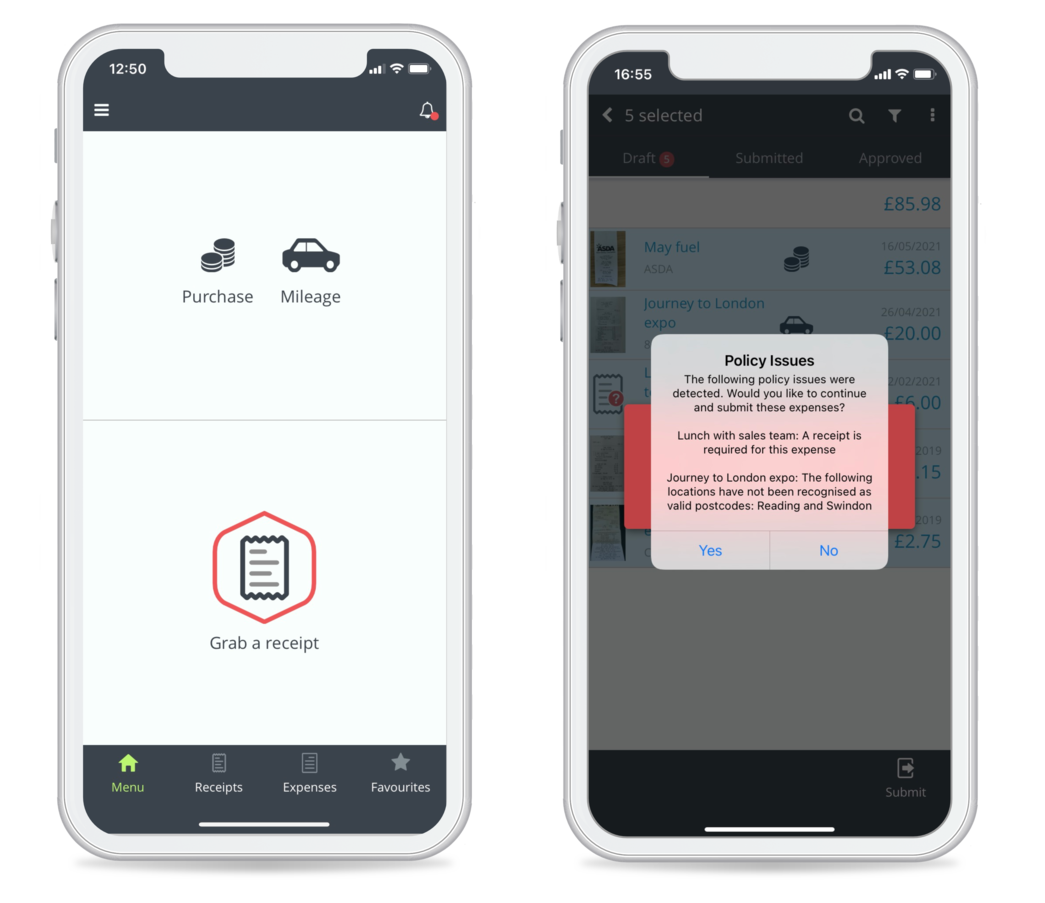 ExpenseIn is an all-in-one automated expense management software with features like:
Automated policy checks: Makes sure expenses meet your company's rules in real-time.
Receipt verification: Uses AI-powered technology to check if receipts are genuine.
Audit policy acceptance: Boosts financial compliance by having employees acknowledge audit policies.
By using ExpenseIn, you reduce human error, lower the risk of fraud, and let your finance team focus on more important tasks.
Ready to safeguard your business from expense fraud? Book a free demo with ExpenseIn today.

Learn what business expense fraud is, how to identify it, and the top 5 ways employers can prevent business expense fraud from occurring in their own company.

